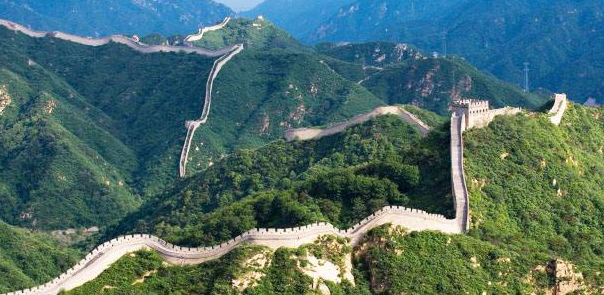
Great Wall
Overview
The Great Wall of China, an emblematic representation of Chinese civilization, is recognized as one of the greatest wonders of the world and a UNESCO World Heritage Site. Stretching over 21,000 kilometers, the Great Wall spans across deserts, grasslands, mountains, and plateaus, from Shanhaiguan in Hebei province to Jiayuguan in Gansu province. Constructed over several dynasties, from the 7th century BC to the 17th century AD, it served as a military defense project designed to protect Chinese states and empires from invasions by various nomadic groups from the Eurasian Steppe. Despite some sections having fallen into ruin, the Great Wall remains a symbol of China's enduring strength and historical significance.
Architectural Layout
The Great Wall's structure is a marvel of engineering, comprising walls, horse tracks, watch towers, and shelters, along with fortresses and passes strategically placed along its length. The most intact sections of the Great Wall date back to the Ming Dynasty (1368-1644), which constructed over 8,800 kilometers of the wall. Significant architectural features include the use of brick, tamped earth, and stone, allowing the wall to withstand both natural and human-inflicted damages over the centuries.
Notable Sections
Badaling Great Wall
Renowned as the most frequented and well-preserved segment, Badaling sits in the northwest outskirts of Beijing. It stands as the initial section of the Wall opened to tourists and is revered as the heart of the Great Wall.
Mutianyu Great Wall
Positioned 70 kilometers from Beijing, Mutianyu is famed for its Ming Dynasty architecture and scenic splendor. The locale presents a seamless fusion of ancient structures and natural surroundings, with seasonal changes enhancing its charm.
Simatai Great Wall
Nestled in the Miyun district, northeast of Beijing, Simatai is renowned for its steep and treacherous terrain. This stretch exudes an ancient aura and offers nocturnal excursions, enabling visitors to soak in its historical ambiance by moonlight.
Jinshanling Great Wall
Extending across 10.5 kilometers in Luanping county, Hebei province, Jinshanling is celebrated for its authentic characteristics and visual allure. The segment boasts numerous watchtowers and is a preferred spot for photographers.
Jiankou Great Wall
Situated in the Huairou district, this area poses challenges due to its deteriorated condition and rugged landscape. Often dubbed the "untamed Great Wall", it draws adventurers and photographers alike.
Shanhaiguan Pass
Dubbed "the first pass under heaven", Shanhaiguan signifies the eastern origin of the Wall in Hebei province. It holds architectural significance and is historically recognized for safeguarding ancient Chinese territories.
Jiayuguan Pass
Located in Gansu province, Jiayuguan Pass is known as the western terminus of the Great Wall of China. Historically significant, it is often referred to as the "Key of the Border" due to its strategic importance along the ancient Silk Road. Jiayuguan Pass offers unique mountain views and is renowned for its historical relics, attracting visitors interested in exploring the rich history and cultural significance of this part of the Great Wall.
Yanmenguan Pass
Yanmenguan Pass, situated in Shanxi province, holds strategic significance in ancient times. Featuring stunning mountain vistas, this pass is known for its historical importance and unique architectural features. It is a site where visitors can immerse themselves in the history of the Great Wall and appreciate the blend of natural beauty and historical heritage that Yanmenguan Pass offers.
Historical Significance
The Great Wall was predominantly constructed as a formidable defense mechanism against nomadic invasions. Its construction across varied terrains, from deserts to mountains and grasslands, showcases the strategic military brilliance of ancient China.
Beyond its military function, the Great Wall also served as a crucial symbol of the cultural exchange and economic trade that characterized the Silk Road era, connecting the East and the West. During the reign of Emperor Wudi of the Western Han Dynasty (206 BC-AD 24), the Wall operated as a customs checkpoint, facilitating and regulating trade along the Silk Road. The significance of Yumen Pass, an essential section of the Wall in Gansu Province, highlights its role in safeguarding China's territorial integrity and promoting cultural exchanges.
Preservation Efforts
The preservation of the Great Wall is a significant endeavor involving both local governments and international organizations. Modern technology, including drones and digital mapping, is employed to monitor and maintain the wall's condition. Local communities and volunteers, often called 'guardians', play a crucial role in its protection by conducting regular patrols and reporting damage.
Cultural Impact
The Great Wall of China stands as an emblematic representation of Chinese civilization, embodying the spirit of perseverance and unity. Its cultural significance extends beyond its historical military purpose, influencing various aspects of Chinese society and international perceptions of China as a whole.
In Chinese culture, the Great Wall is more than just a physical barrier; it is a symbol of strength and resilience. Folktales, such as the story of Meng Jiangnyu, whose tears led to the collapse of a portion of the wall, are deeply embedded in Chinese lore and illustrate personal sacrifice and the emotional depth associated with this monumental structure. Such stories have inspired modern adaptations, including novels and dramas, that continue to captivate audiences.
Globally, the Great Wall is recognized as a UNESCO World Heritage Site and is often one of the first images that come to mind when people think of China. Its iconic status has made it a focal point for cultural tourism, drawing millions of international visitors who seek to experience its grandeur firsthand. Technological advancements have also enabled virtual tours, allowing a global audience to explore its vast expanse online, further cementing its place in world culture.
The Great Wall's influence extends into contemporary arts and media, inspiring a plethora of creative works, from literature to film. It serves as a backdrop for storytelling, where themes of boundaries, protection, and the clash of cultures are explored. The wall's architectural marvel has also been the subject of numerous documentaries and scholarly works, highlighting its historical and cultural importance.
In essence, the Great Wall of China transcends its original function as a military defense structure to become a profound symbol of cultural identity, national pride and collective memory for both China and the world. Its enduring legacy continues to inspire and resonate across generations and borders.
Recent Developments
Efforts to restore and protect the Great Wall have intensified, with initiatives focusing on the integration of cultural and natural resources to enhance both tourism and conservation. The establishment of national cultural parks aims to balance heritage preservation with community development, ensuring that the Great Wall remains a living testament to China's rich history for generations to come. Article reference1. The Great Wall. en.ppm.cn. 20242. Village steps up for Great Wall mission. chinaservicesinfo.com. 20243. Juyongguan Great Wall. chinaservicesinfo.com. 20194. Award-winning protector still passionate for Great Wall. en.chinaculture.org. 20245. Great Wall rejuvenation revives village life. en.chinaculture.org. 2021ExpandPhoto Gallery(61 pictures)CategoriesCultural HeritageTagWorld Heritage in ChinaWorld HeritageChinese Cultural SymbolTangible Cultural HeritageHistorical BuildingRelatedSakya MonasteryHan DynastyYellow River National Cultural ParkKarez SystemGames & QuizzesHow well do you know the Great Wall of China?Catalogue1. Overview2. Architectural Layout3. Notable Sections4. Historical Significance5. Preservation Efforts6. Cultural Impact7. Recent Developments- - - []








